

Elderly Care Services
- Personal Care Assistance: Help with bathing, grooming, dressing, toileting, and maintaining personal hygiene.
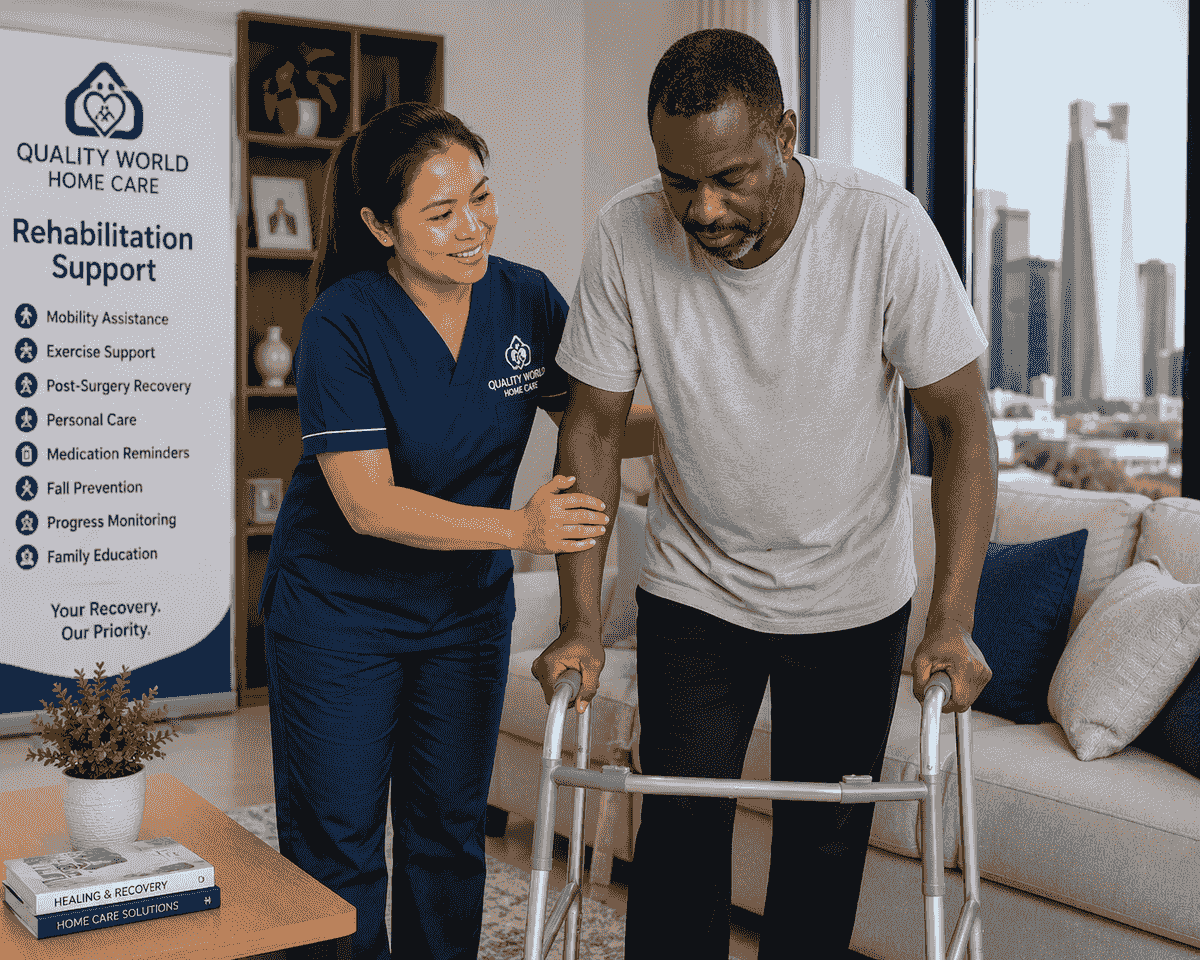
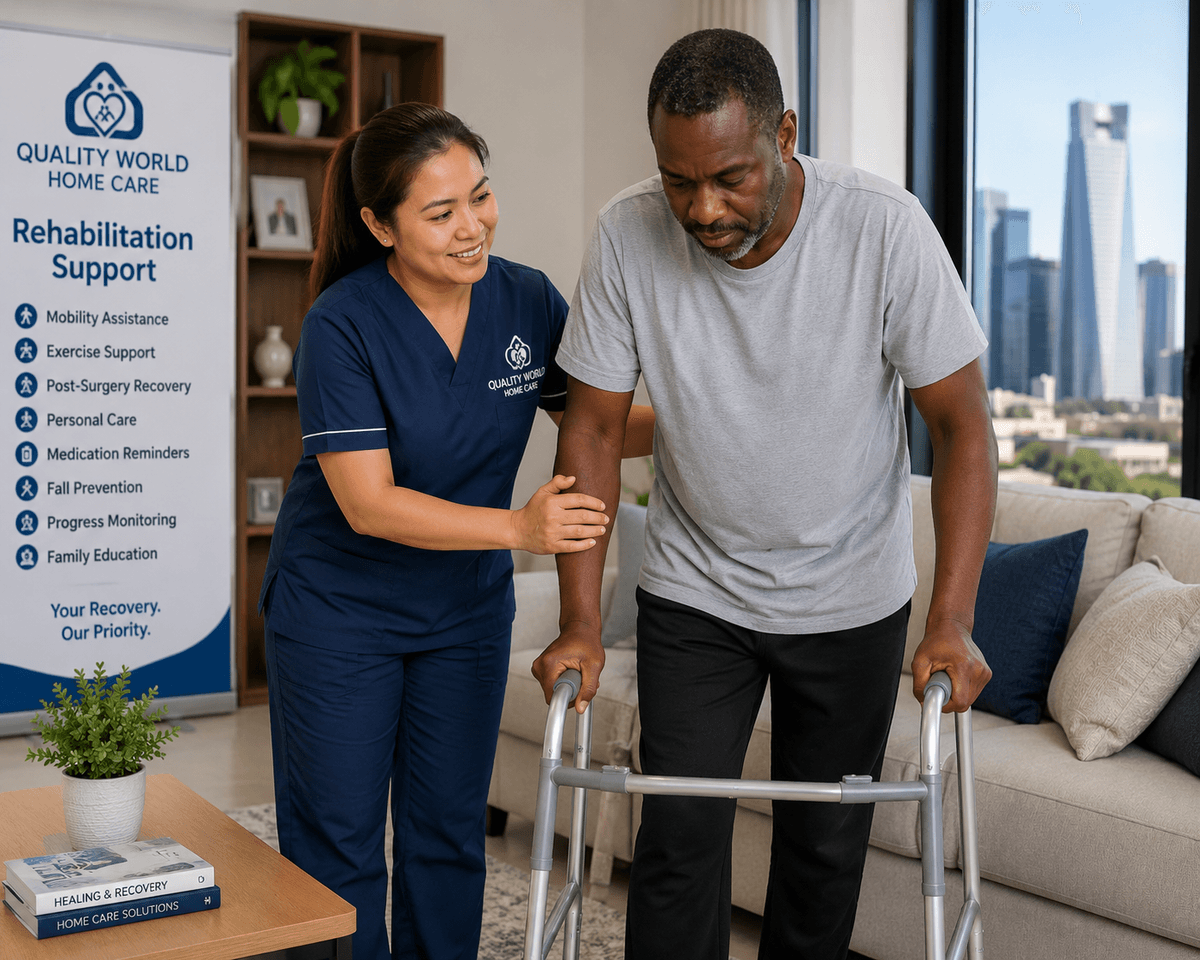
- Mobility & Fall Prevention: Assistance with walking, transfers, positioning, and reducing the risk of falls.
- Medication Reminders: Ensuring medications are taken on time as prescribed.
- Companionship & Emotional Support: Engaging in meaningful conversations, recreational activities, and providing companionship to reduce loneliness and improve mental well-being.
- Meal Preparation & Nutrition: Planning and preparing nutritious meals that meet dietary and medical requirements.
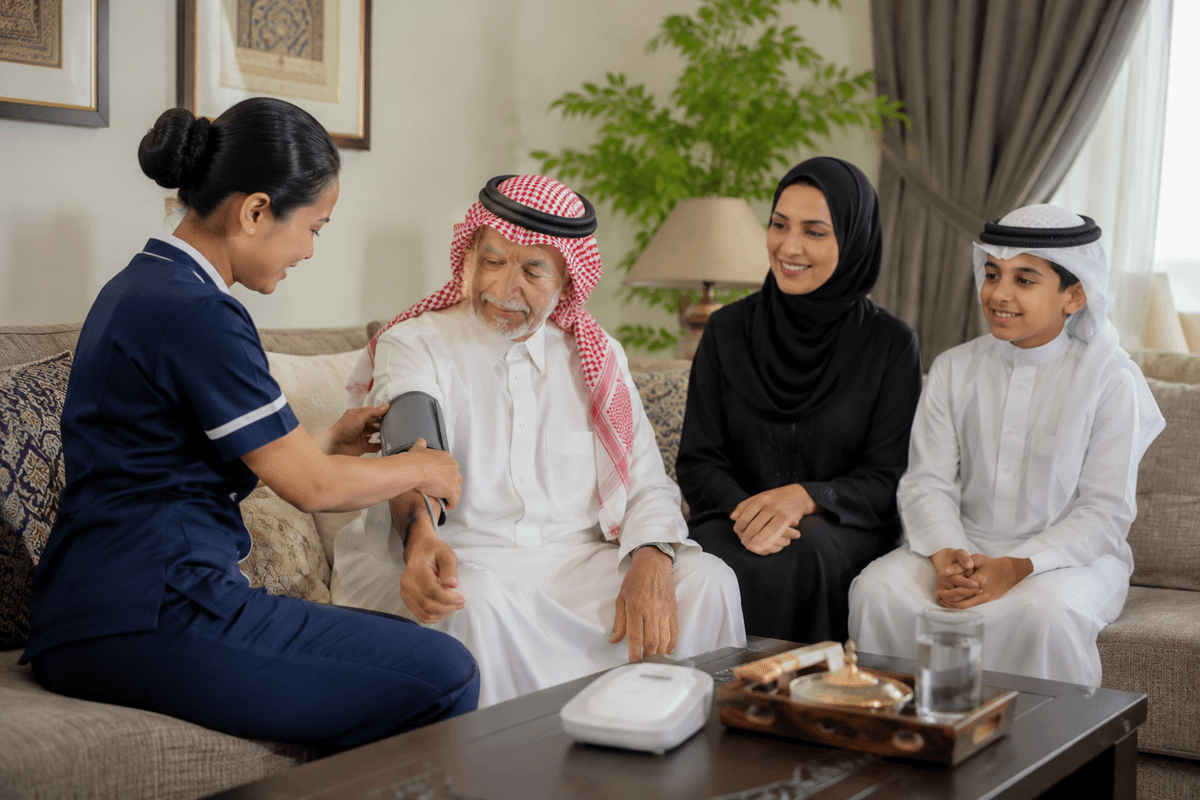
- Health Monitoring: Observing changes in health and reporting concerns to family members or healthcare professionals.
- Light Housekeeping: Assistance with laundry, cleaning, organizing, and maintaining a safe and comfortable living environment.
- Transportation & Appointment Assistance: Accompanying clients to medical appointments, therapy sessions, shopping, and community activities.
- Memory Care Support: Specialized assistance for seniors living with dementia, Alzheimer's disease, or other cognitive conditions.
- Respite Care for Families: Providing temporary care to allow family caregivers time to rest while ensuring their loved ones continue receiving quality support.
- 24/7 Home Care: Flexible care options, including hourly visits, overnight care, and round-the-clock live-in support based on individual needs.
Post Discharge Care
- Recovery Monitoring: Regular assessment of the patient's condition to identify any concerns early.
- Medication Assistance: Ensuring medications are taken correctly and on schedule as prescribed.
- Wound & Dressing Care: Professional care for surgical wounds and dressing changes by qualified nurses.
- Mobility & Rehabilitation Support: Assistance with walking, transfers, prescribed exercises, and daily physical activities.
- Personal Care: Help with bathing, grooming, dressing, toileting, and maintaining personal hygiene.
- Nutrition & Meal Preparation: Preparing healthy meals and encouraging proper hydration to support healing.
- Follow-Up Appointment Coordination: Assistance with scheduling and transportation to medical appointments.
- Health Education: Guidance for patients and family members on recovery, medication management, and lifestyle recommendations.
- 24/7 Home Care Support: Flexible care plans ranging from a few hours a day to around-the-clock care based on the patient's needs.

Home Caregiver Services
- Personal Care Assistance: Support with bathing, grooming, dressing, toileting, and personal hygiene.
- Mobility & Transfer Assistance: Helping clients walk safely, move around the home, and transfer between beds, chairs, and wheelchairs.
- Companionship: Providing emotional support, meaningful conversation, recreational activities, and social engagement to reduce loneliness.
- Medication Reminders: Ensuring medications are taken on time according to prescribed schedules.
- Meal Planning & Preparation: Preparing nutritious meals that meet dietary and medical requirements.
- Transportation Assistance: Escorting clients to medical appointments, therapy sessions, family visits, and community activities.
- Respite Care: Offering temporary relief for family caregivers while ensuring continuous, high-quality care for their loved ones.
- Specialized Care: Personalized support for individuals living with dementia, Alzheimer's disease, Parkinson's disease, disabilities, or other chronic health conditions.

Rehabilitation Support
- Mobility Assistance: Helping clients walk safely, transfer between beds and chairs, use mobility aids, and build confidence in daily movement.
- Exercise & Therapy Support: Assisting clients with prescribed rehabilitation exercises and therapy routines as directed by healthcare professionals.
- Post-Surgical Recovery Care: Providing support with daily activities, monitoring recovery progress, and promoting a safe healing environment.
- Personal Care Assistance: Helping with bathing, dressing, grooming, toileting, and other activities of daily living during recovery.
- Medication Reminders: Ensuring medications are taken on time according to healthcare providers' instructions.
- Pain & Comfort Support: Assisting with positioning, comfort measures, and observing changes that may require medical attention.
- Fall Prevention & Home Safety: Identifying potential hazards and implementing safety measures to reduce the risk of falls and injuries.
- Nutrition & Hydration Support: Preparing balanced meals and encouraging proper hydration to support healing and recovery.
- Progress Monitoring: Observing improvements and reporting concerns to family members and healthcare professionals to support continuity of care.
- Family Education & Support: Providing guidance to family members on safe caregiving techniques and ways to support the rehabilitation process.